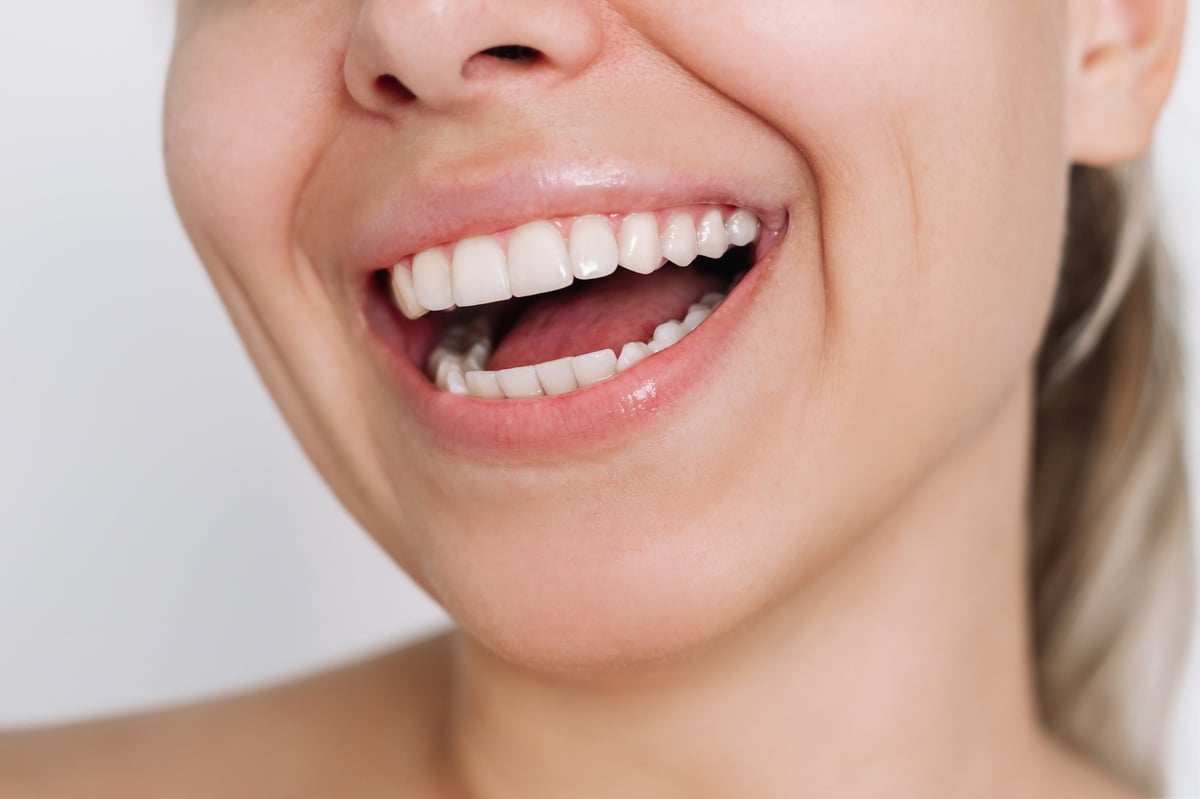
Close-up of a bright, even smile after professional teeth whitening
Teeth Whitening

How Long Does Teeth Whitening Last? What Makes Results Fade

Whitening lifts existing stain rather than stopping new stain from forming. Understanding why results fade helps you keep them longer.

November 6, 2026 6 min read

Tooth colour is not fixed. Every day, food and drink deposit pigment on and inside the enamel, and that pigment builds up again after a whitening treatment. So how long does teeth whitening last depends less on the product than on how much stain you expose your teeth to afterwards.

Results also differ between professional in-chair whitening, which lifts shade quickly in a controlled setting, and take-home whitening, which relies on a steady course of gel in trays made for your teeth. Both fade over time rather than stopping permanently.

Below we explain what drives the fade, what you can do about it and when it is worth asking your dentist before whitening again. To see the treatments we offer, read about our professional teeth whitening .

What makes whitening results fade?

Fading is usually gradual and linked to diet and habits. You may notice the first changes within the first months, with the shade continuing to drift over time.

Coffee, tea and dark drinks

Coffee, black tea, cola and energy drinks are among the most common sources of new stain. Sipping them slowly all day exposes teeth for longer than drinking them quickly.

Red wine and coloured foods

Red wine, berries, curry, tomato sauces and soy-based sauces can leave pigment. Rinsing with water after eating or drinking helps rinse it away before it settles.

Smoking

Tobacco is one of the strongest stainers and adds a yellow tone that builds up steadily. Whitening works best alongside not smoking.

Everyday cleaning habits

Brushing twice a day, cleaning between teeth and regular professional cleans remove surface stain and help the whitened shade hold longer.

How to maintain whitening results

  • Keep up twice-daily brushing and daily cleaning between teeth.
  • Rinse with water after coffee, tea, wine and coloured food.
  • Use a straw for dark drinks where practical, and avoid sipping them over long periods.
  • Attend your regular cleans so surface stain is removed professionally.
  • If you were given take-home trays, ask your dentist whether occasional top-up use is appropriate for you.
  • Remember whitening does not change the colour of fillings, crowns or veneers — those match the shade chosen at the time.

For more on comparing options, read our article on the best teeth whitening options .

Should you whiten again?

Many people choose to refresh their shade from time to time. Before doing so, it is worth a check-up: if you have new fillings, a sensitive tooth, gum problems or a crown that no longer matches, your dentist can advise what is sensible.

Whitening is not suitable for everyone, and sensitivity during and after treatment is common. If sensitivity lasts or worsens, contact us — call (07) 5665 9999 .

Planning a whitening refresh?

A consultation lets your dentist check your teeth and gums first, and explain which whitening option suits your smile.